

Time to Read: 3 mins
“I’m frustrated with myself.”
Those were the first words out of my client’s mouth.
They had just left a high-pressure meeting with their executive team, and they couldn’t stop replaying it in their head.
Their tone… their impatience… the edge in their voice. They responded in ways they weren’t proud of, and they were struggling to process it all.
“That’s not who I am,” they said.
But then, after a long pause, they humbly acknowledged… that’s who they were in the meeting.
It was a hard truth to swallow, but an important one to embrace.

And if you’ve ever replayed a conversation in your head and wished you'd handled it differently, then you probably resonate with this...
There’s the version of you that you intend to be. The one who listens fully, responds thoughtfully, and stays steady when things get tense.
And then there’s the version of you that shows up when the pressure spikes.
All of a sudden, you’re a little abrasive, a bit more rushed, a tad more defensive, or controlling, or withdrawn than you meant to be.
And none of it makes you a bad leader.
It makes you a human with patterns.
Pressure has a way of pulling us toward what’s familiar... even if it's not aligned.
When the stakes feel high or time feels short, your system reaches for the responses it knows best. Unfortunately, this process squeezes out the calm, cool, collected you for a more hurried, reactive version.
This is where self-leadership becomes really important...
... learning to lead yourself through reflecting on the situation and your role in it, so you can respond differently next time.
✨ Because that gap between how you wanted to show up and how you actually did is packed with valuable, insightful nuggets. It’s constructive feedback… and it’s a powerful starting point for change. ✨
When you’re willing to look at these types of moments with curiosity instead of criticism, you start to understand your own patterns. And once you understand them, you can begin to work with them instead of being run by them.
That’s self-leadership in action. And that’s how you cultivate your inner leader for outer impact.
💡 Practionable Takeaway
The next time you leave a conversation or meeting feeling unsettled, take a couple of minutes and gently walk yourself through this three-part process:
1️⃣ Who did I want to be in that moment?
Maybe you wanted to be calm, clear, collaborative, grounded? Name it so you can envision it.
2️⃣ Who actually showed up?
Maybe you noticed yourself getting abrupt, shutting down, talking over someone, or trying to control the direction. Give it language so you can identify the gap.
3️⃣ What was I trying to protect, avoid, or get in that moment?
Were you protecting your credibility? Avoiding conflict? Trying to regain a sense of control? Wanting to feel heard? Identifying the trigger behind your response empowers you to react differently in the future.
The goal here is not to fix anything — it’s simply to notice the pattern.
Because once you see the pattern, you're able to shift how you show up in the future.
🎥 Want to Go Deeper?
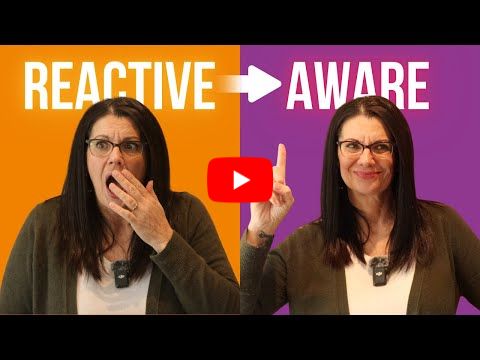
If this idea of noticing your patterns under pressure resonates, check out this video where I coach you through three simple, research-backed exercises to help you build your self-awareness muscle in less than ten minutes a day.
They’re practical, doable, and designed for real life.
Check it out here.👇
|
Because the more clearly you can see yourself in those hard moments, the more choice you have in who you become in the next one.
To Your Success,
Laura 💜🧡





Responses